Crawl space help • South Sound, WA
Crawl Space Water & Drainage
Find out where the water comes from before choosing how to move it. Rain timing, drainage, plumbing and ground moisture each tell a different part of the story.
Plan Your Next Step →Understand your options ↓Inspections and repairs are performed by independent local providers, not CrawlRescue.
Identify the source
Water is evidence. It is not a diagnosis.
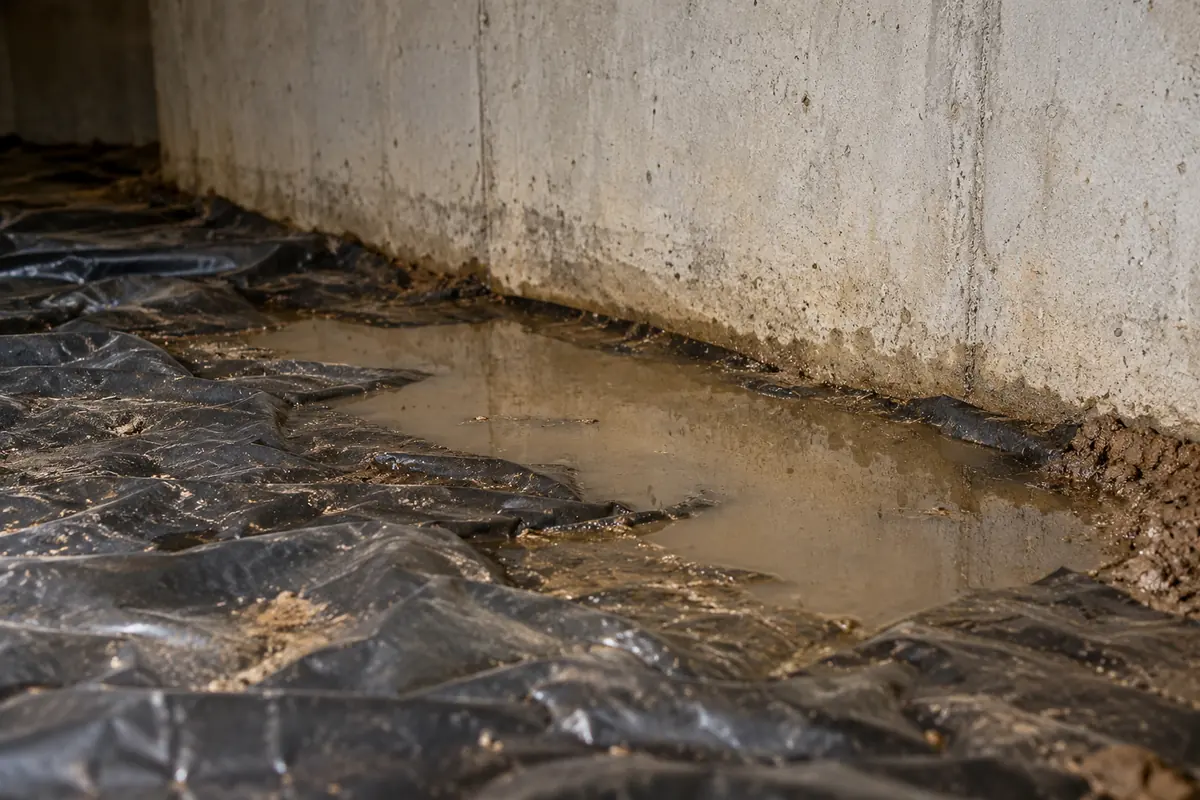
Standing water, damp soil and recurring moisture can have different causes—or more than one. A useful inspection looks at the crawl space and relevant exterior conditions before recommending a system.
- Water following heavy rain
- Roof runoff, surface flow near the foundation or groundwater may contribute. Timing helps an investigation but does not establish which source is responsible.
- Water during dry weather
- Plumbing leaks, groundwater or retained water may need assessment. A plumber may be the first appropriate trade when a pipe leak is suspected.
- Dampness without visible puddles
- Ground moisture, condensation or residual wet materials can matter even without standing water. Humidity management is different from collecting liquid water.
- An existing sump or drain
- Check operation, collection paths, obstructions and discharge. A pump is only one component; its presence does not prove the whole system is effective.
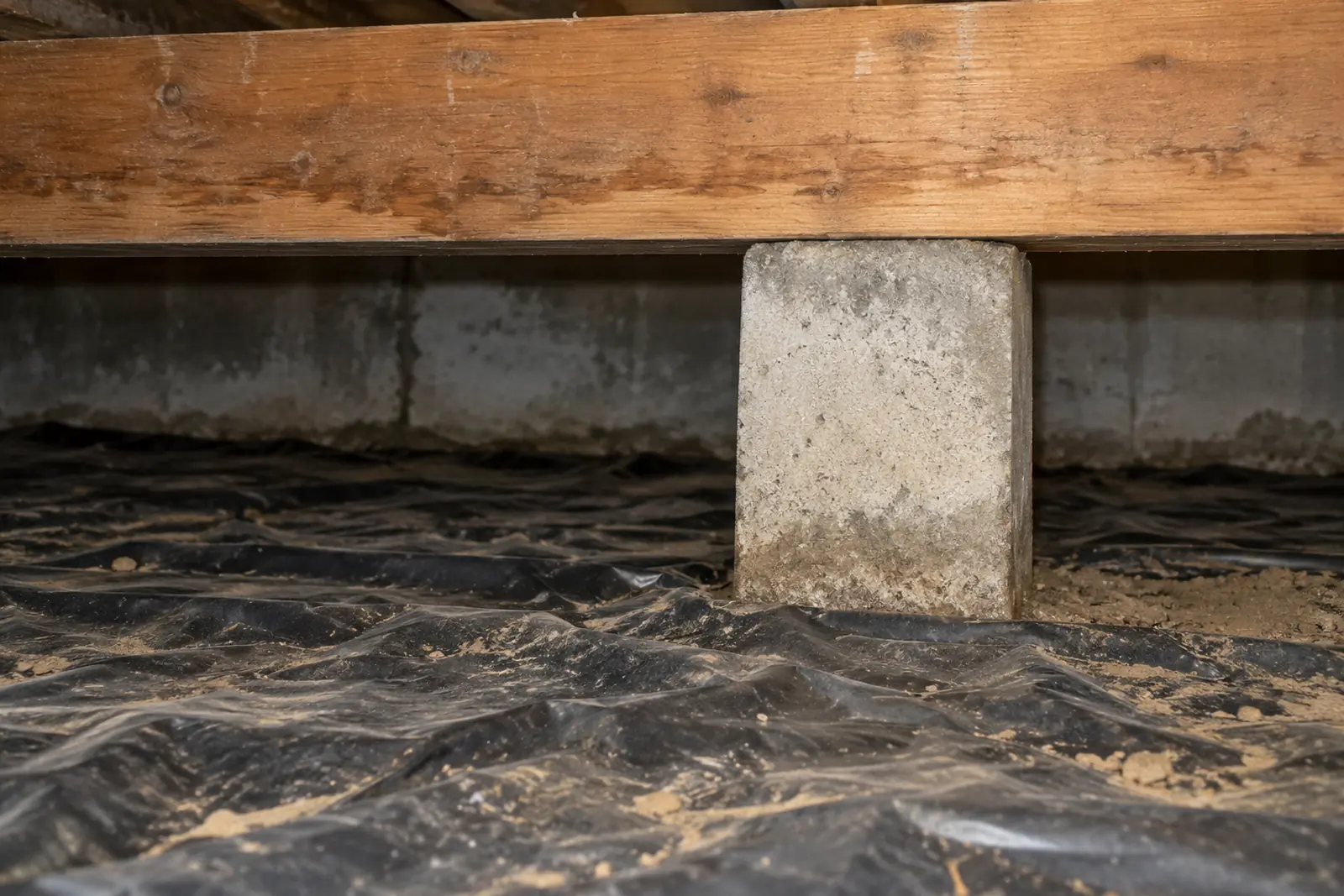
Look at the whole route
From roof runoff to the ground beneath the house.
An investigation may include gutters and downspouts, accessible grading, surface pooling, foundation entry points and existing drains. Groundwater can also be relevant, but it should not be assumed from one photograph.
Explain when water appears, how long it remains and any known plumbing or landscaping changes. Existing photos and inspection reports are useful; you do not need to crawl into water to collect evidence.
Do not enter standing water near wiring or electrical equipment. Sewage, unsafe access or structural movement requires appropriate professional help. CrawlRescue is not emergency dispatch.
Before a repair proposal
Questions that make the scope clearer.
- What evidence supports the suspected water source, and what remains uncertain?
- What work stops the source, and what work only collects or removes water?
- Where will collected water discharge, and what site or local requirements apply?
- Which materials need drying, cleaning or replacement after the water issue is addressed?
- How will performance be checked, including during future wet conditions?
Access, water source, drainage route, equipment and affected materials influence the scope. This guide cannot diagnose your home or provide a reliable site-specific price.
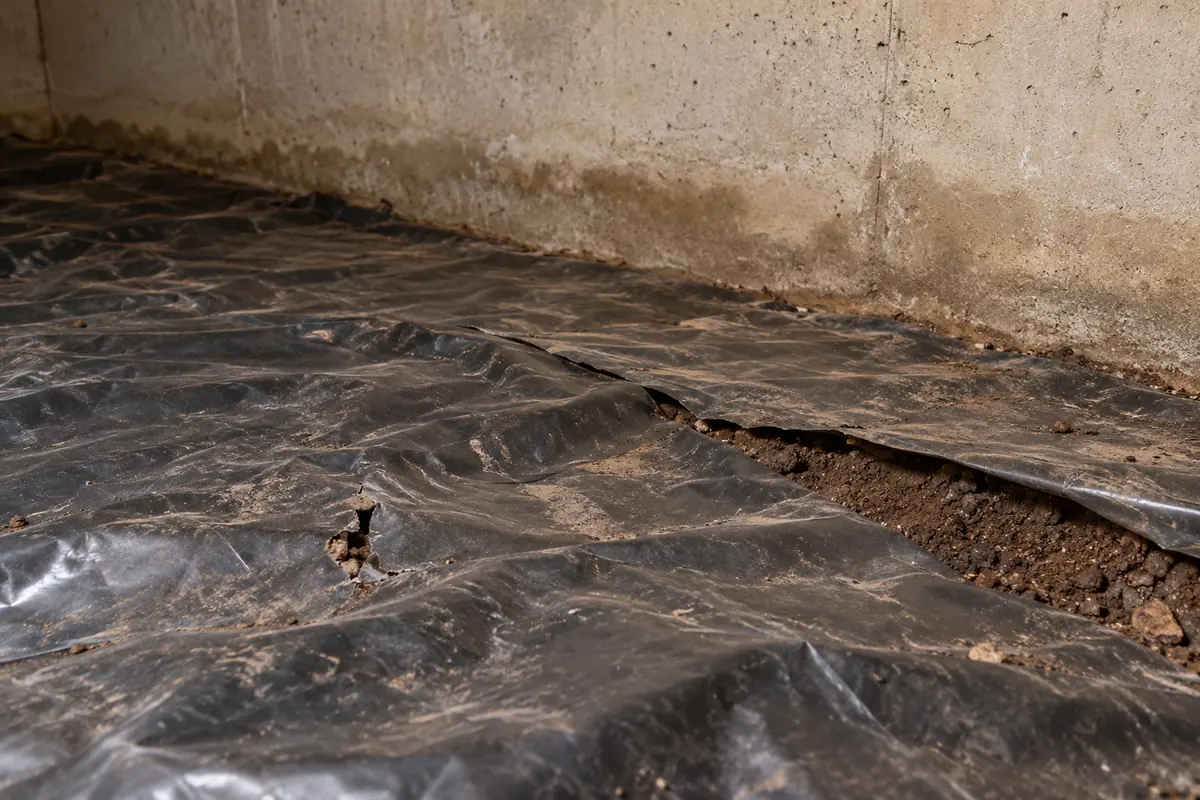
From observation to a plan
What a useful inspection should establish
Document the condition
Accessible areas, moisture evidence, materials, entry points and any limits to access. Photographs should distinguish observations from suspected causes.
Identify the priorities
Active leaks, water entry, pests or safety concerns may need attention before replacement materials. Electrical, plumbing and structural findings may require separate qualified trades.
Explain the repair scope
Ask for the recommended sequence, alternatives, exclusions, maintenance and how results will be checked. An inspection can leave questions that need specialist follow-up.
You do not need to enter the crawl space or choose a repair before an inspection.
Plan Your Next Step →Explore the next step
Related crawl space resources
South Sound homeowners
A clearer next step for your home.
CrawlRescue is focused on homeowners in Olympia, Lacey, Tumwater and the broader South Sound. Note the signs you have noticed and keep any existing inspection findings handy.
A home’s access, drainage, utilities and existing crawl space design matter more than a generic repair package. A site visit is needed to evaluate your property.
Any inspection or repair is performed by an independent local service provider, not CrawlRescue. How CrawlRescue plans to work with local providers is explained in How It Works. Online inspection requests are not open yet.
Sources & further reading
- U.S. Department of Energy: Crawlspace ground moisture and drainage
- EPA: A brief guide to mold, moisture and your home
- Building America Solution Center: Unvented, insulated crawlspaces
Educational guidance. A site visit is needed to identify the cause and appropriate repair for your home.