Crawl space help • South Sound, WA
Crawl Space Inspection
You do not need to know the repair yet. Start with what you have noticed, and understand what an on-site assessment may help clarify.
Plan Your Next Step →Understand your options ↓Inspections and repairs are performed by independent local providers, not CrawlRescue.
When to take a closer look
Signs worth bringing to an inspection.
Recurring water, hanging insulation, musty odors, rodent signs or findings in a home inspection report can justify further assessment. A symptom can point to several possible causes; it does not identify a repair package.
- Water or recurring dampness
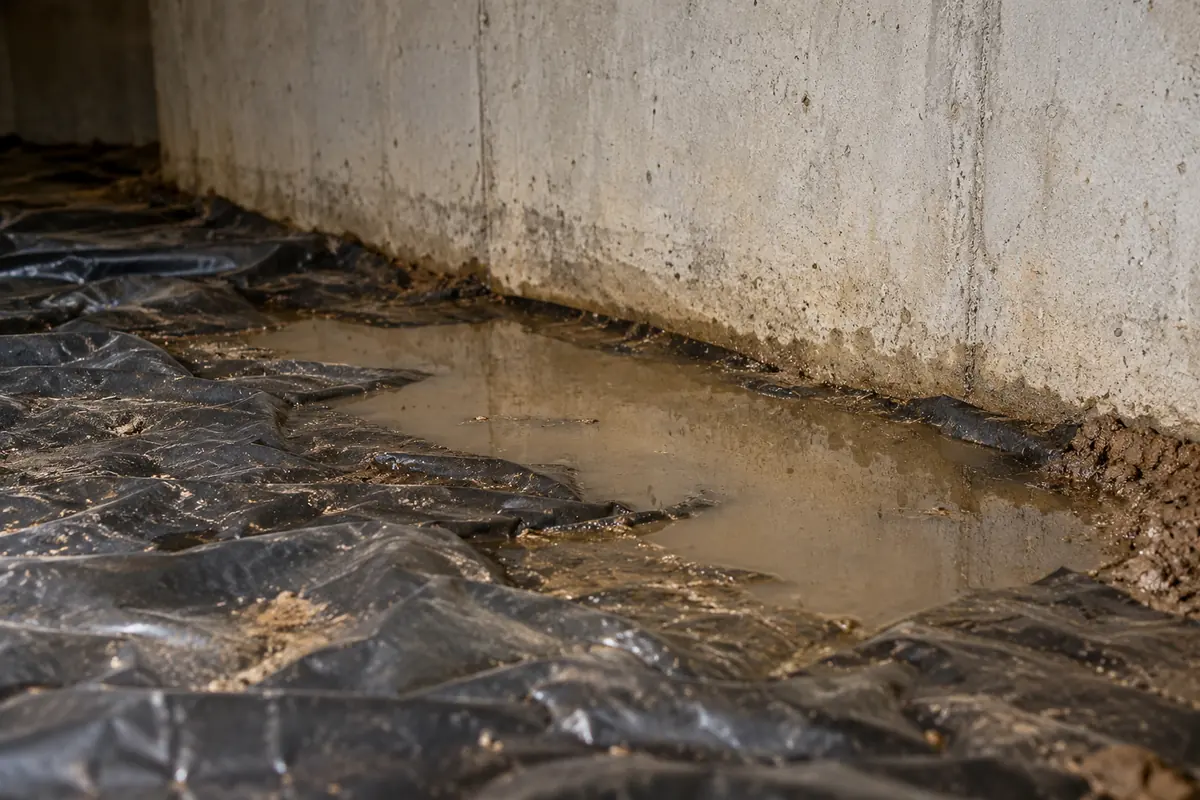
- Standing water after rain can lead to questions about runoff, drainage, groundwater or plumbing.
- Falling or damaged insulation
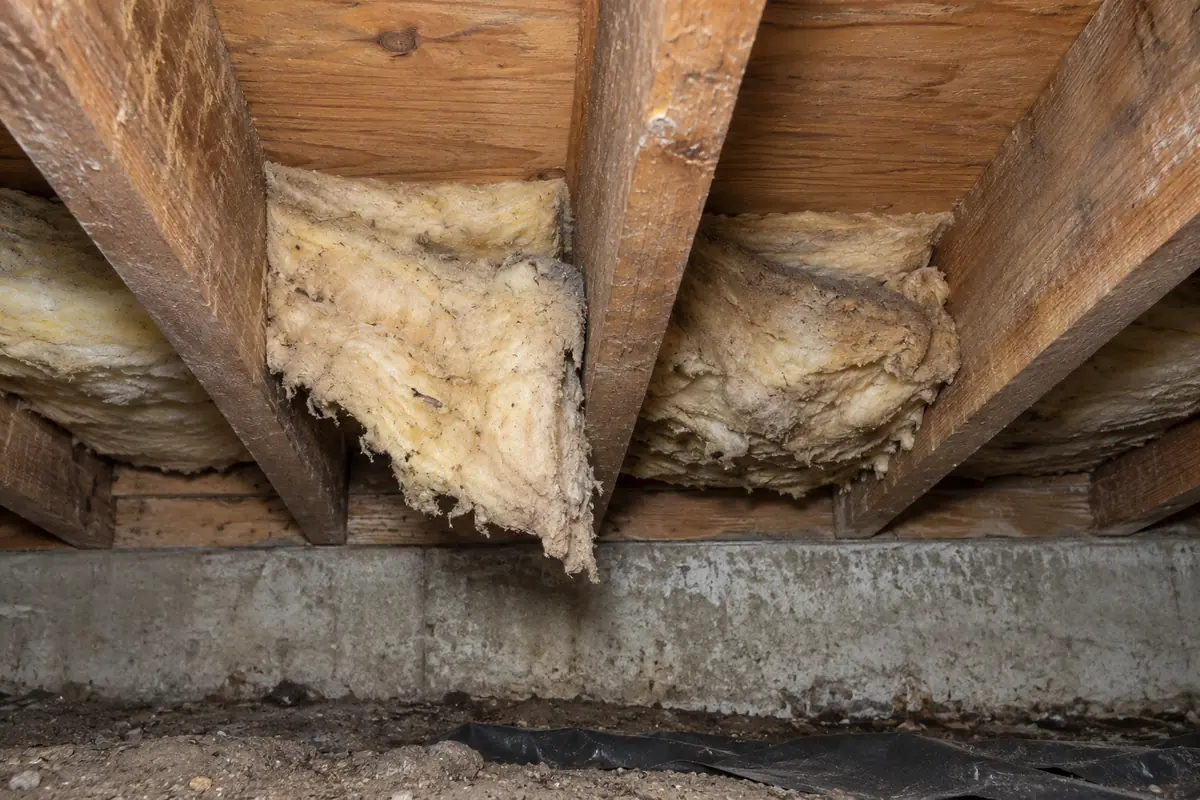
- Sagging or wet insulation may warrant checking material condition, support, moisture and disturbance.
- Musty smells
- Musty crawl space concerns need investigation. Odor alone does not diagnose mold, contamination or a health effect.
- Rodent evidence
- Rodent signs under the home can raise separate questions about activity, entry and material restoration.
From sign to explanation
Find the cause before choosing the repair.
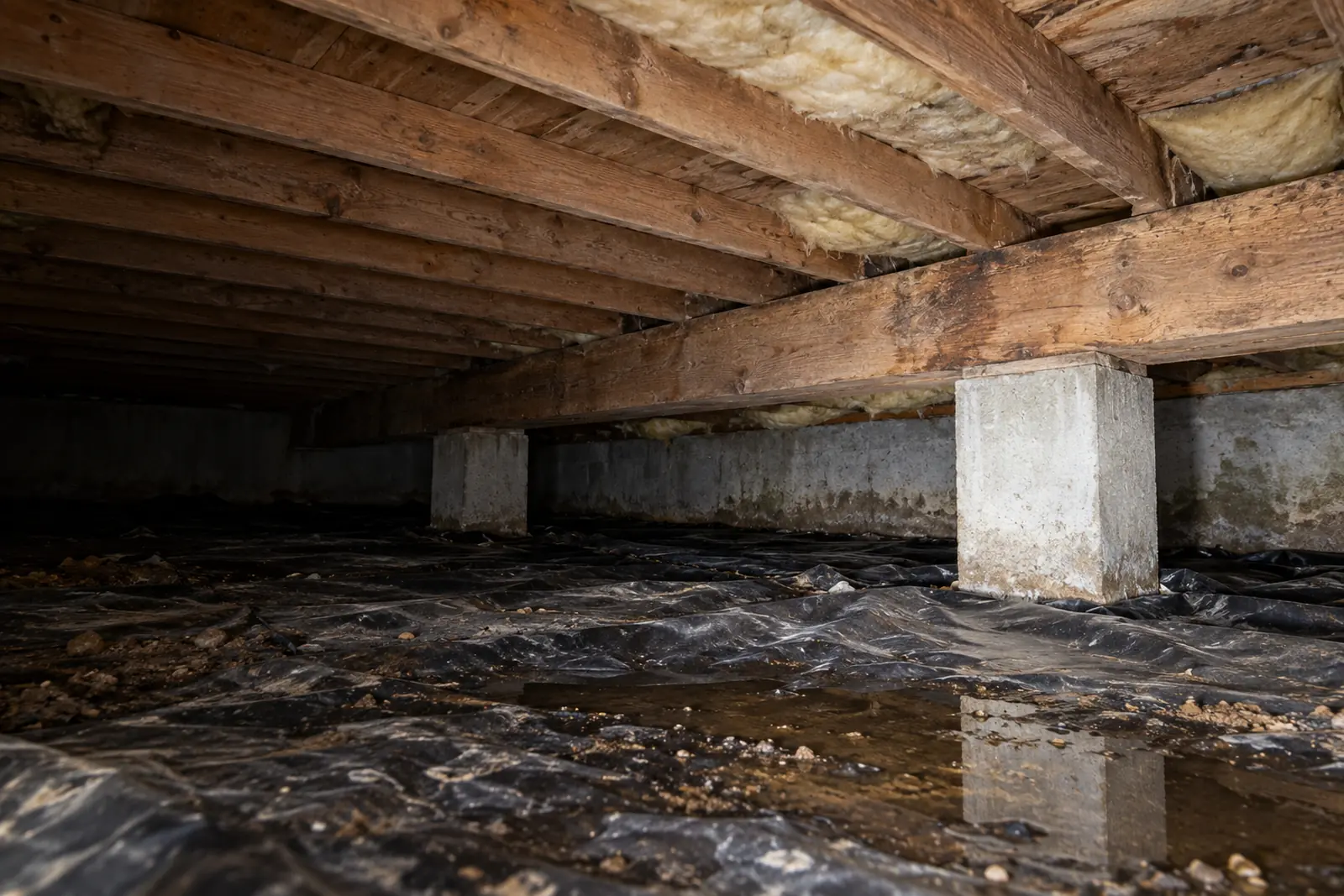
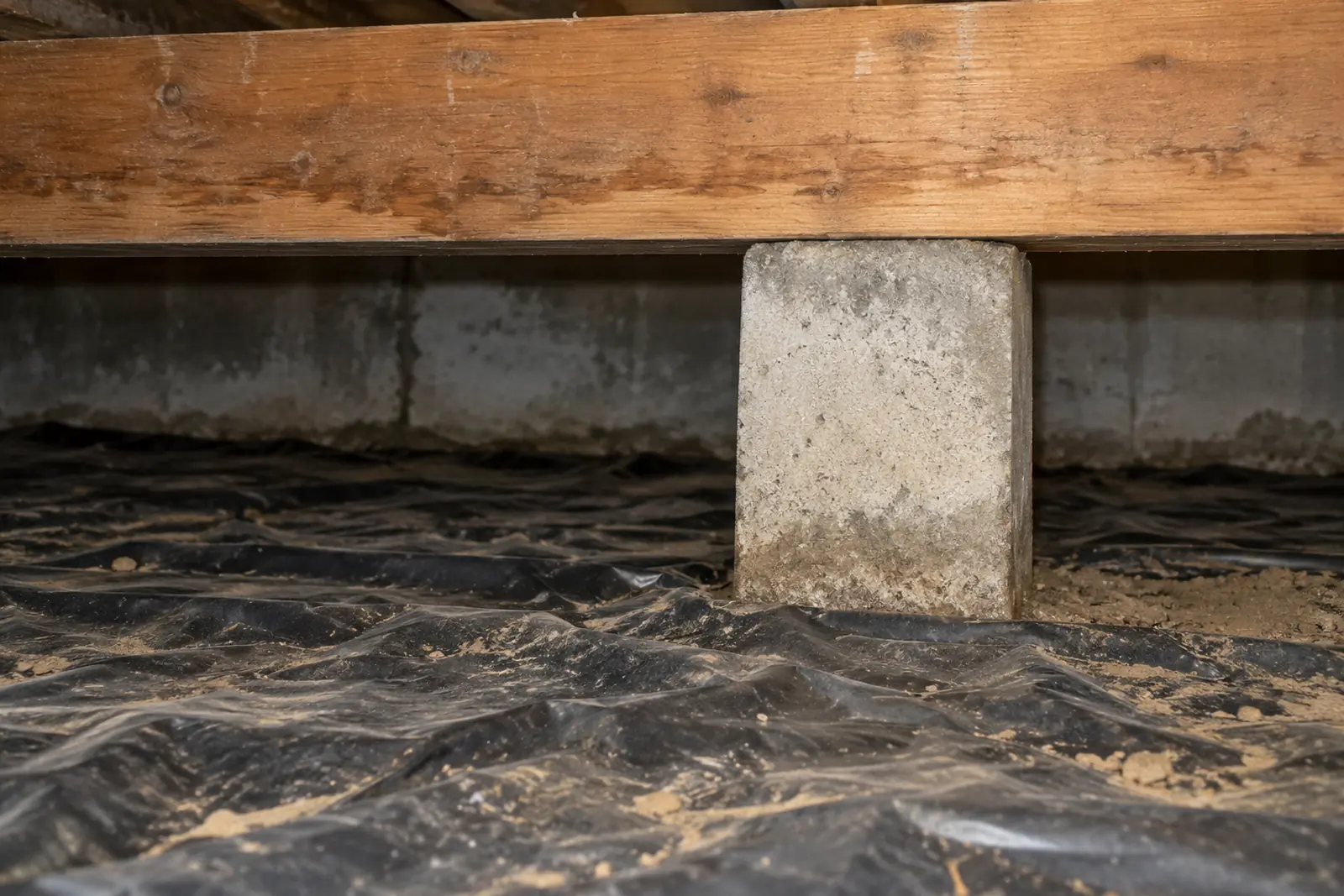
An assessment may examine accessible framing and supports, insulation, ground cover, water evidence, pest signs and relevant utility or exterior conditions. What is evaluated depends on the concern, access, provider qualifications and agreed scope.
Ask for the observations behind a recommendation, any access limits and issues that need specialist follow-up. This is preparation for an assessment—not a promised CrawlRescue inspection protocol or a remote diagnosis.
Possible next steps
Let the findings guide the path.
Some findings call for plumbing, electrical, HVAC, pest or structural specialists. Others may warrant a targeted correction or further investigation. A complete rebuild is not an automatic result of an inspection.
How it will work
From the sign to a local provider.
Start with the sign
Use the problem guides to describe what you have noticed. Choose the closest match, or “not sure,” when the symptom does not fit.
Connect with a local provider
CrawlRescue plans to work with one independent local provider for this area. Your details would be shared only with your permission, and only with a provider named to you first.
Confirm scope with the provider
Any appointment, inspection scope, price and service agreement would be confirmed directly with that provider. CrawlRescue does not book inspections.
No South Sound service partner has been appointed yet, and online inspection requests are not open. Read How It Works.
Explore the next step
Related crawl space resources
South Sound homeowners
A clearer next step for your home.
CrawlRescue is focused on homeowners in Olympia, Lacey, Tumwater and the broader South Sound. Note the signs you have noticed and keep any existing inspection findings handy.
A home’s access, drainage, utilities and existing crawl space design matter more than a generic repair package. A site visit is needed to evaluate your property.
Any inspection or repair is performed by an independent local service provider, not CrawlRescue. How CrawlRescue plans to work with local providers is explained in How It Works. Online inspection requests are not open yet.
Sources & further reading
- EPA: A brief guide to mold, moisture and your home
- Building America Solution Center: Unvented, insulated crawlspaces
Educational guidance. A site visit is needed to identify the cause and appropriate repair for your home.