Crawl space help • South Sound, WA
Crawl Space Encapsulation
A moisture-management system, not just a new sheet of plastic. Understand when a more complete approach may fit your home—and what needs attention first.
Plan Your Next Step →Understand your options ↓Inspections and repairs are performed by independent local providers, not CrawlRescue.
Understand the system
What encapsulation commonly includes.
Encapsulation generally describes converting a crawl space to a more sealed, moisture-controlled environment. The term alone does not define the materials or the complete scope; ask what a proposal actually includes.
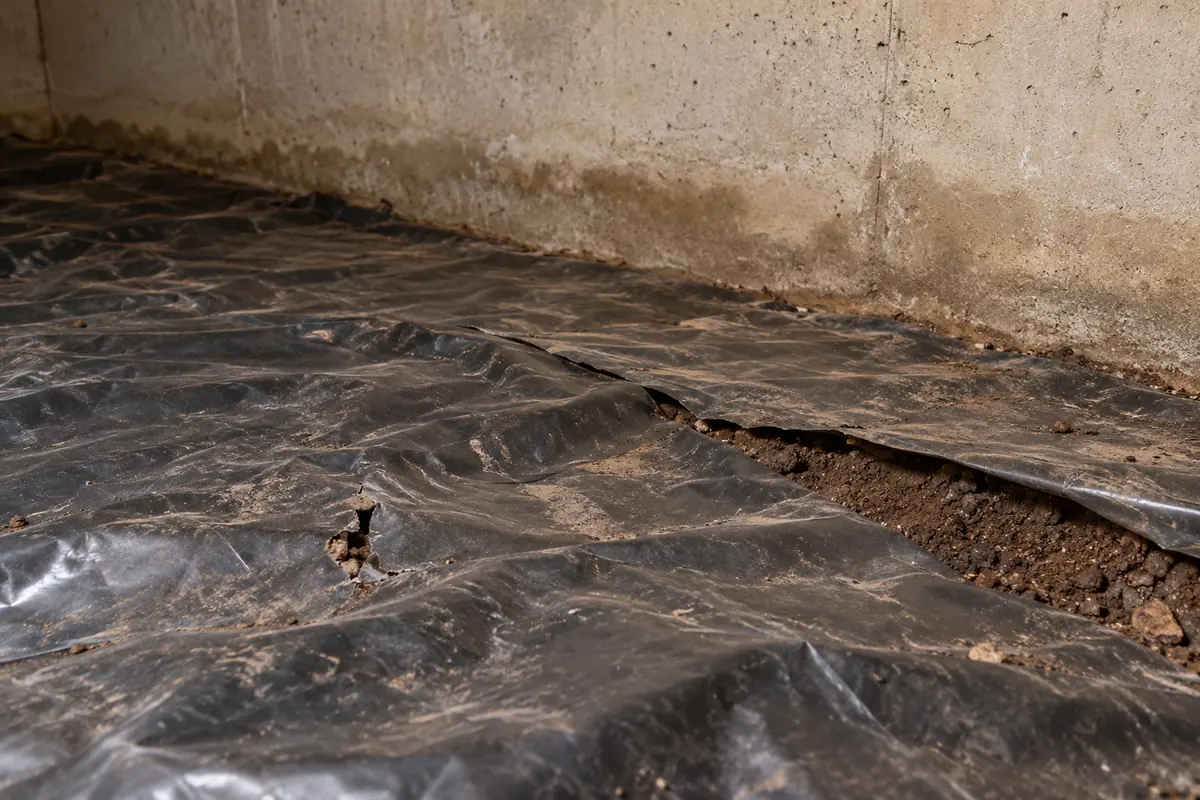
- A continuous ground liner
- A vapor-resistant liner with detailed seams, edges and transitions around supports limits ground moisture transfer. Durability and attachment details should suit access and conditions.
- Air sealing and access
- Treatment of openings, vents and access depends on the intended assembly. Closing vents alone is not a complete moisture-control plan.
- An insulation strategy
- Floor, wall and rim-area insulation decisions depend on the existing design and proposed conversion. Damaged batts are not automatically replaced in the same location.
- A drying and maintenance plan
- The design needs an appropriate means of managing humidity, which may involve conditioning, ventilation or dehumidification. Confirm equipment access, monitoring and upkeep.
Before the liner
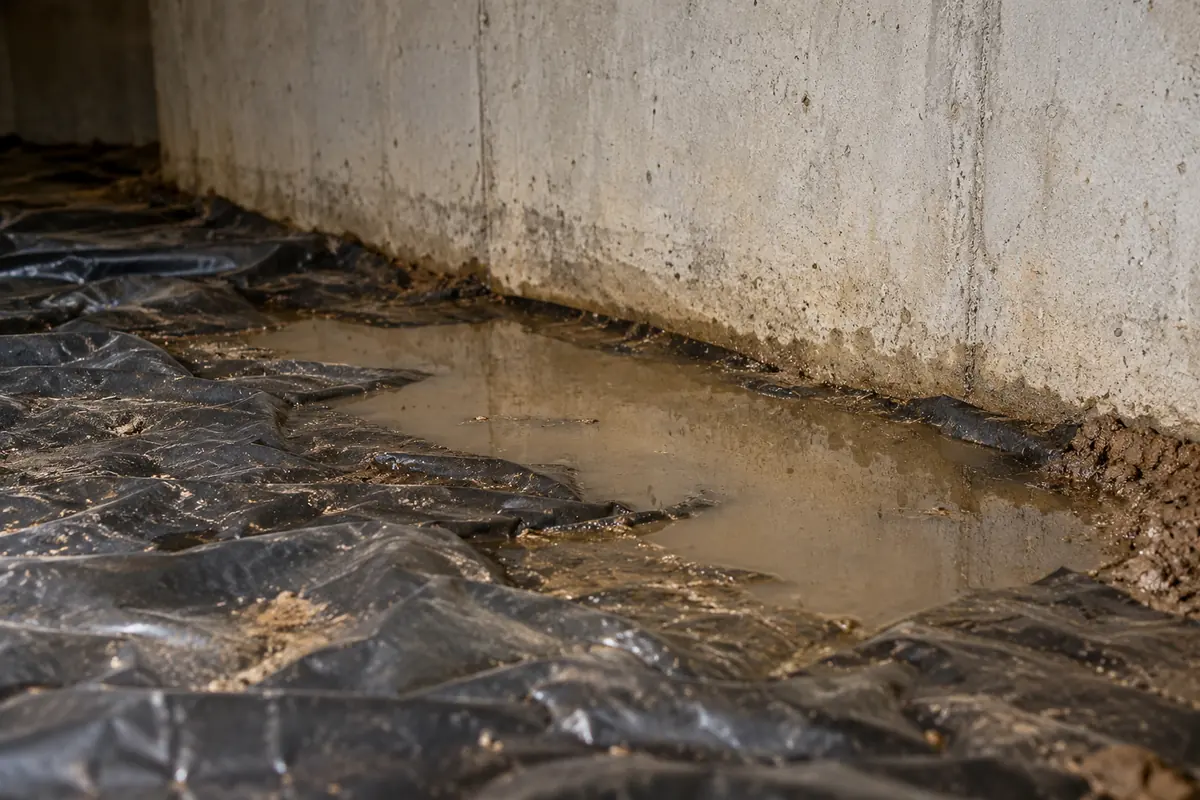
Encapsulation does not stop every water source.
A liner does not repair a leaking pipe, redirect roof runoff or automatically control groundwater. Standing water, contaminated materials and active pest entry need investigation before they are covered.
Drainage or a sump may be part of the plan where warranted. The recommendation should identify the source being managed, the collection route and an appropriate discharge location.
Understand water-source investigation before encapsulation →
When to investigate
Signs that justify a closer look.
Moisture that persists
Recurring dampness, condensation, musty odors or wet materials can justify assessment. The inspector should distinguish liquid water, ground moisture and humidity rather than infer a solution from odor alone.
A conversion needs design checks
Combustion appliances, radon considerations, pest inspection access, flood provisions and insulation requirements can affect a sealed-space design. A qualified provider should check applicable local requirements; this page is not a code specification.
From observation to a plan
What a useful inspection should establish
Document the condition
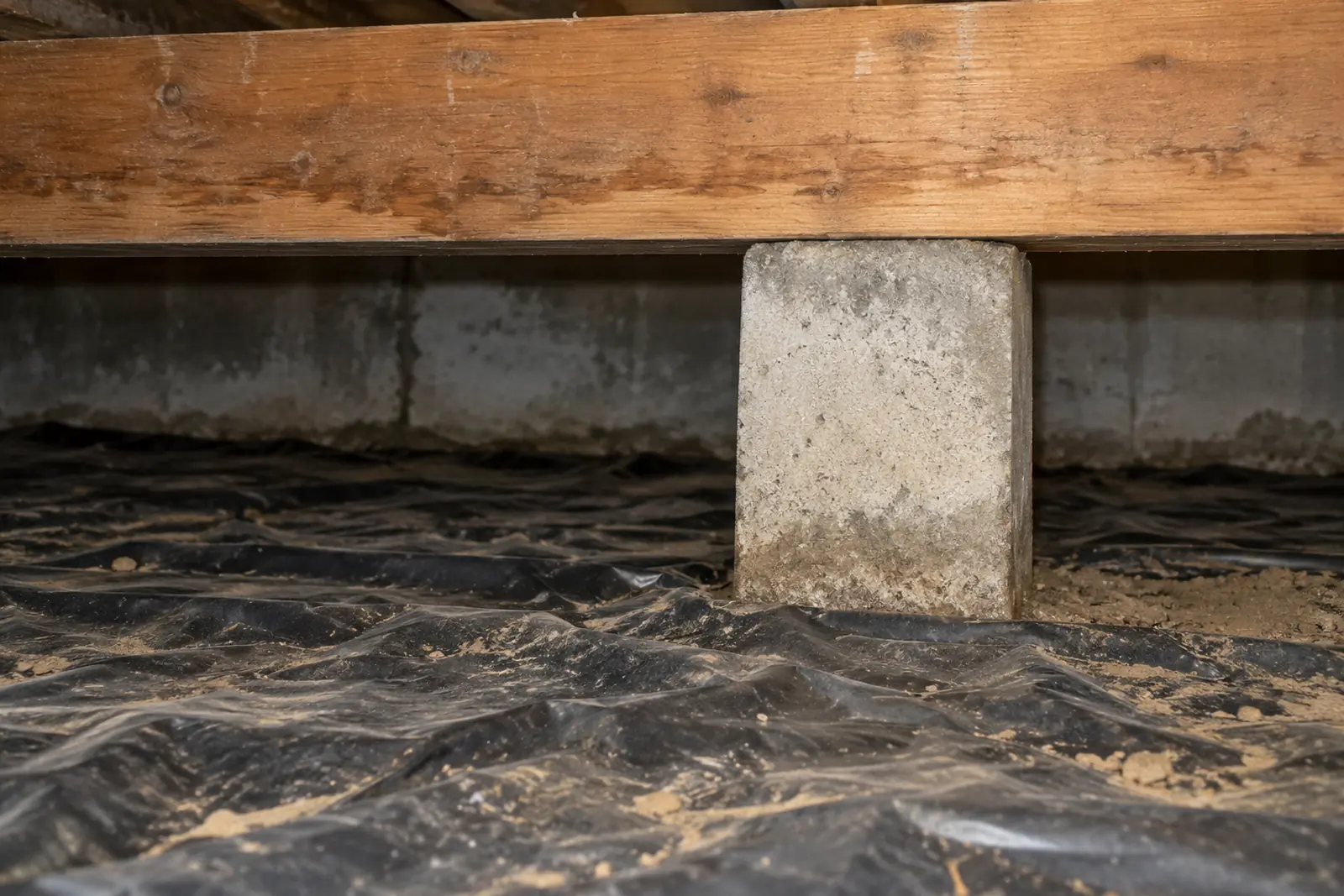
Accessible areas, moisture evidence, materials, entry points and any limits to access. Photographs should distinguish observations from suspected causes.
Identify the priorities
Active leaks, water entry, pests or safety concerns may need attention before replacement materials. Electrical, plumbing and structural findings may require separate qualified trades.
Explain the repair scope
Ask for the recommended sequence, alternatives, exclusions, maintenance and how results will be checked. An inspection can leave questions that need specialist follow-up.
You do not need to enter the crawl space or choose a repair before an inspection.
Plan Your Next Step →Explore the next step
Related crawl space resources
South Sound homeowners
A clearer next step for your home.
CrawlRescue is focused on homeowners in Olympia, Lacey, Tumwater and the broader South Sound. Note the signs you have noticed and keep any existing inspection findings handy.
A home’s access, drainage, utilities and existing crawl space design matter more than a generic repair package. A site visit is needed to evaluate your property.
Any inspection or repair is performed by an independent local service provider, not CrawlRescue. How CrawlRescue plans to work with local providers is explained in How It Works. Online inspection requests are not open yet.
Sources & further reading
- Building America Solution Center: Unvented, insulated crawlspaces
- EPA: A brief guide to mold, moisture and your home
- U.S. Department of Energy: Crawlspace ground moisture and drainage
Educational guidance. A site visit is needed to identify the cause and appropriate repair for your home.