Lacey, Washington • South Sound
Crawl Space Help for Lacey Homeowners
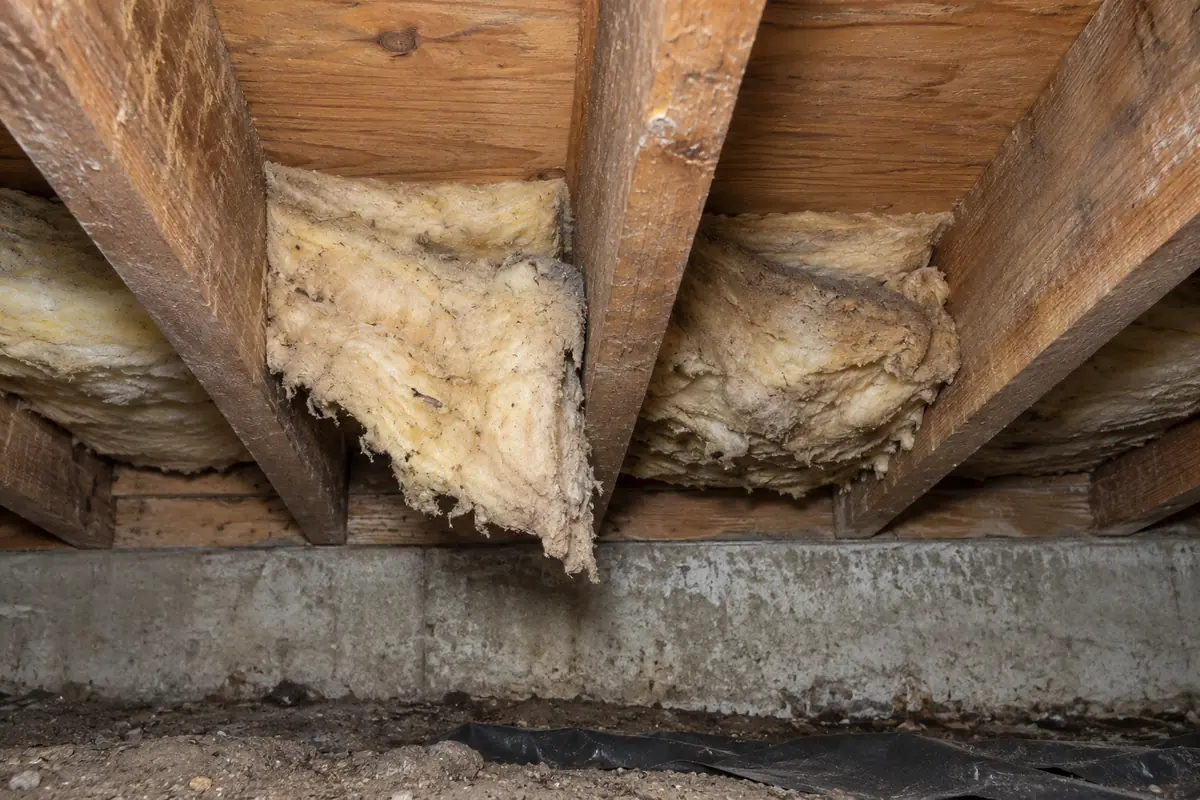
For your Lacey home, start with what changed: a new smell, insulation hanging down or water that returns. A short condition history can clarify which repair question comes first.
Plan Your Next Step →Keep the history
What changed—and when?
For a Lacey homeowner, an existing inspection report and a short timeline can make a crawl space concern easier to explain. Record what you noticed, whether it is recurring and any known plumbing, drainage or pest work.
Material condition
Falling or damaged insulation may involve support, moisture or disturbance. Review insulation decisions before assuming the whole space needs replacement.
Activity and odor
Rodent signs and musty odors raise different questions. Neither alone establishes a complete repair scope.
Look beyond the material
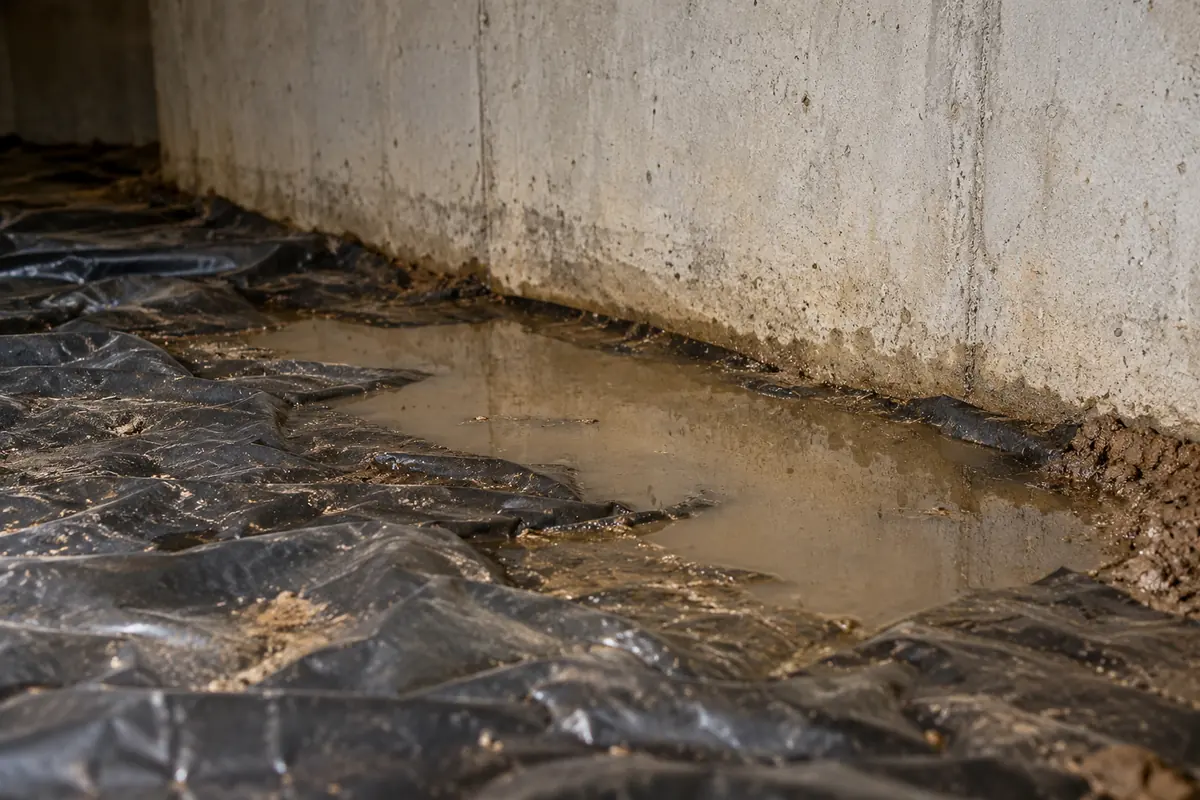
Water can change the repair priority.
If wet materials are involved, mention when water appears and any known leak. The standing-water guide explains why timing is a clue rather than a diagnosis.
Where a property or neighborhood has shared stormwater facilities, existing maintenance records may help a conversation about drainage. Do not assume a nearby pond or drain is connected to your crawl space problem.
Do not enter an unsafe space to investigate. Existing photographs and accessible outdoor observations can be enough to start.
Local reference
Useful information beyond the crawl space.
Lacey provides HOA and residential stormwater maintenance resources, including a maintenance guide and inspection information. If shared drainage is relevant to your property, those records and the responsible facility contact may be useful. Public stormwater guidance does not replace investigation of a private leak or crawl space water source.
City of Lacey: HOA and residential stormwater facility resources
City resources provide public context, not a diagnosis of your home or a CrawlRescue endorsement.
Prepare for assessment
Use the report you already have.
Ask which findings are confirmed, which need follow-up and what source work comes before new materials. The inspection resource explains those questions; the barrier-versus-encapsulation guide helps compare a common moisture-control decision.
Before an inspection
Give the next assessment a useful history.
Mention what changed, when it changed and which maintenance records or earlier findings are available.
Any inspection or repair is performed by an independent local service provider, not CrawlRescue. How CrawlRescue works.
Start with your home
A clearer next step in Lacey.
Describe what changed and when. You do not need to choose a repair package first.
Plan Your Next Step →