Ask whether rodents are still active, how they are entering, and which materials are affected. Replacing insulation without addressing ongoing entry can leave the problem unresolved.
You do not need to identify the repair to ask for help.
Avoid disturbing droppings or contaminated insulation. CDC guidance advises against sweeping or vacuuming rodent droppings. Heavy infestations and difficult crawl spaces may need professional help.
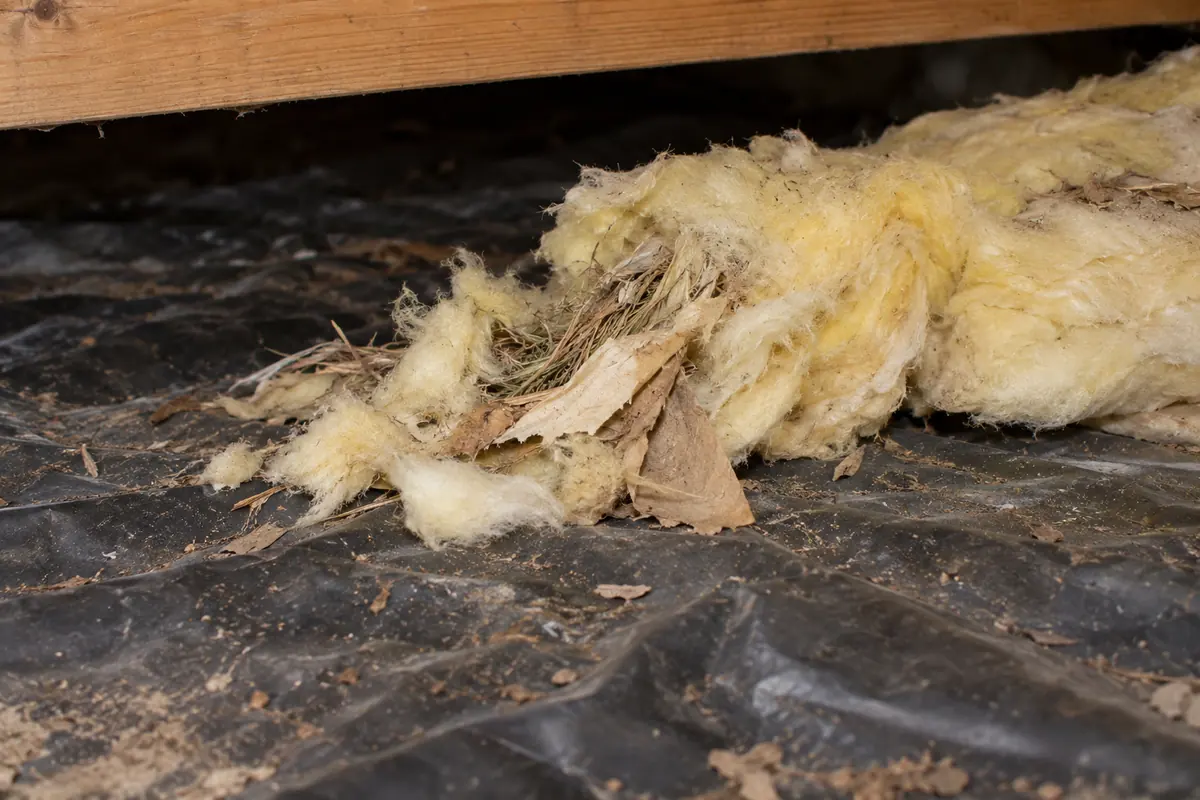
Disturbed cover, odors and possible entry routes
Rodent disturbance can affect insulation, ground cover and nearby materials. Odors can have several sources; they do not prove that rodents are active or show where contamination extends.
An assessment may look at accessible gaps around utility penetrations, vents, access openings or damaged enclosure areas. The actual entry route needs investigation. Do not seal an assumed opening or disturb nesting materials based on this guide.
What you can prepare without handling the damage
Describe when noises or other signs began, any prior pest work and existing report findings. Share photographs you already have rather than entering the space or collecting samples.
Chewed wiring, damaged utilities or unsafe access warrant qualified help. Heavy contamination can require specialist precautions. CrawlRescue does not perform pest control or provide a DIY contamination-cleanup procedure.
What the signs can—and can’t—tell you
Torn insulation, droppings and nesting materials can indicate rodent activity, but they do not establish the extent of contamination or whether an infestation is ongoing. Noise and odor alone do not reliably identify a species or a repair scope.
Separate the work into clear stages
| Stage | What to clarify |
|---|---|
| Activity and entry assessment | Is activity current? Where are the accessible entry points? |
| Control and exclusion | Who handles rodents, monitors progress and corrects entry points? |
| Contamination assessment | Which areas and materials need cleaning, removal or special handling? |
| Material restoration | What insulation, ductwork or ground cover actually needs repair or replacement? |
| Follow-up | How will the contractor check for renewed activity and explain warranty limitations? |
Who should you call?
A pest or wildlife operator may handle activity and exclusion, while a crawl space restoration or insulation contractor handles damaged materials. Some companies offer both, but you should confirm the actual scope rather than assume one quote covers it all.
Chewed wiring, leaking plumbing or damaged framing can require additional licensed trades. Ask the inspecting contractor to identify those boundaries clearly.
From sign to a repair path
Which repair pathway may fit?
Separate current activity and entry from contaminated-material restoration. Cleanup alone does not end an active rodent problem.
Understand Rodent Damage Cleanup →
- Cleaning — define removal and handling
- Insulation — assess affected batts
- Repair — identify additional damage
Crawl Space Inspection — clarify the condition before choosing work
Plan Your Next StepQuestions worth bringing to an inspection
- What evidence shows ongoing activity?
- Which entry points can be corrected, and what remains uncertain?
- Is replacement needed throughout the space or only in affected areas?
- How are contaminated materials handled and disposed of?
- Will moisture issues be investigated separately?
- Who coordinates pest control and restoration, and in what sequence?
A cleanup isn’t automatically a full rebuild
Scope should follow the observed condition. Do not assume that every rodent finding means every piece of insulation, ductwork or ground cover must be replaced. Ask for photos, reasons and clearly itemized work.
Sources & further reading
Educational guidance. A site visit is needed to identify the cause and appropriate repair for your home.
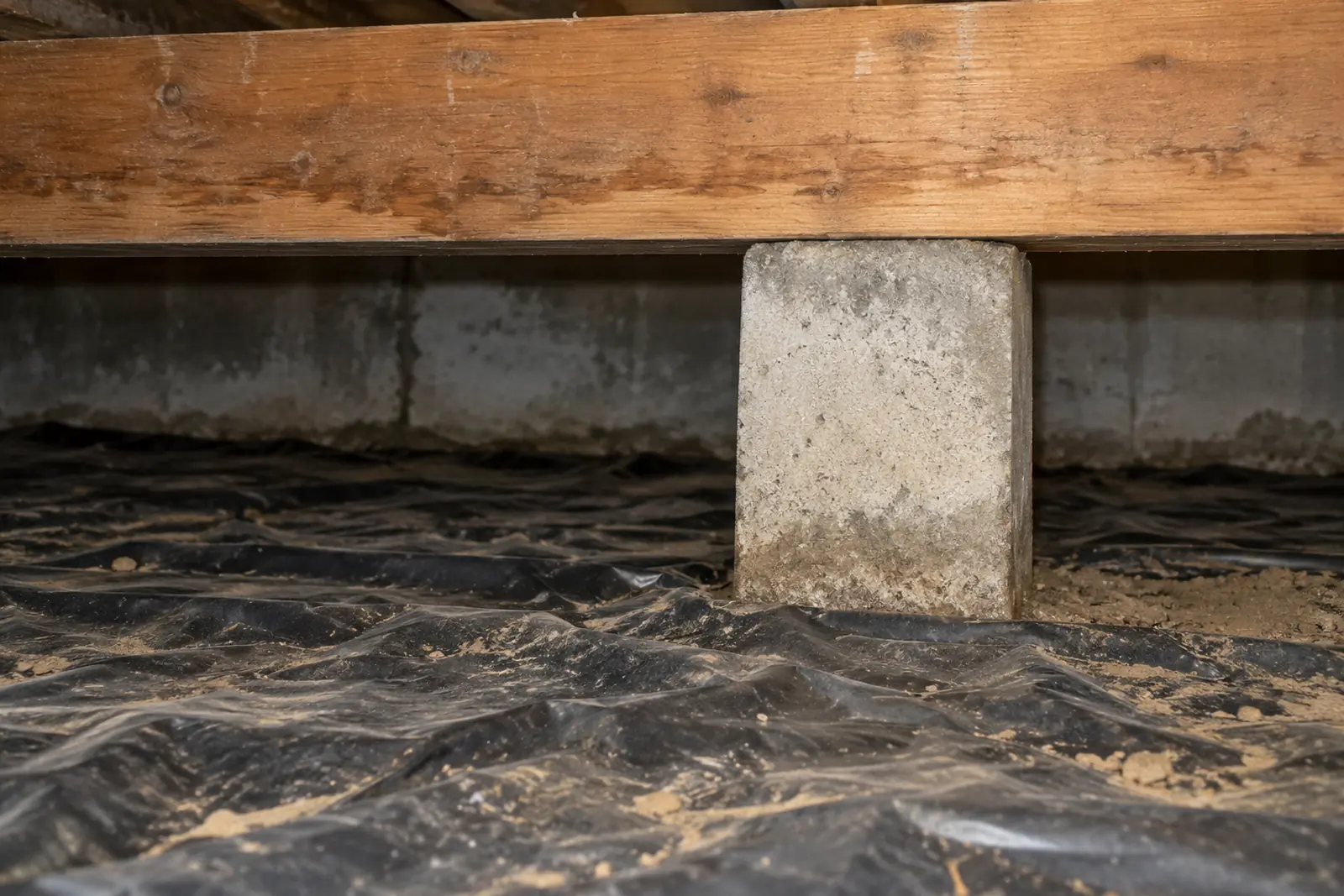
Bring the signs to an inspection.
Note what you have noticed and keep any existing report findings. A site assessment is needed to determine the cause and appropriate scope.
Plan Your Next StepInspections and repairs are performed by independent providers. CrawlRescue is not accepting online requests yet. How It Works.